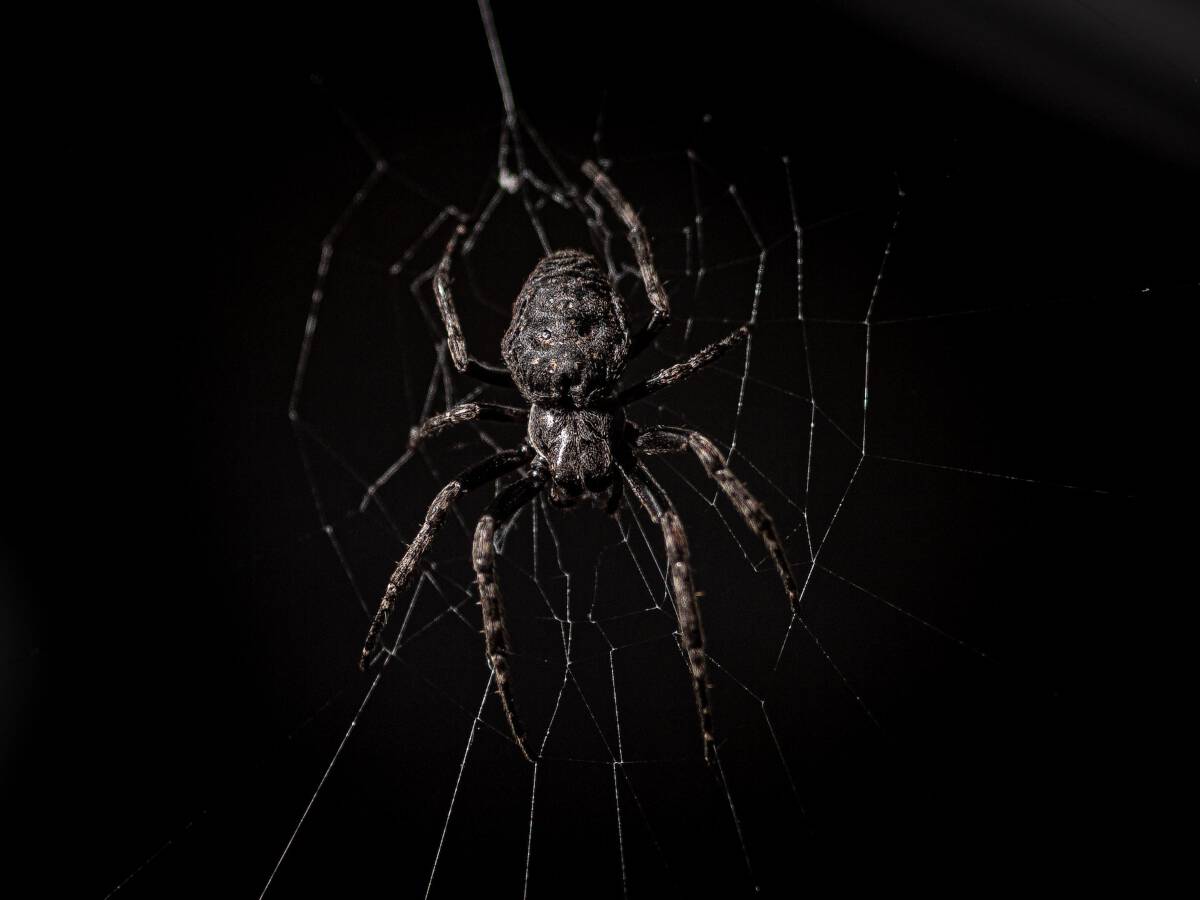

Pests are more than just an occasional nuisance. Whether it’s ants in the kitchen, rodents in the attic, or termites hidden within walls, unwanted pests can create problems that affect both the comfort and condition of a home. While many homeowners only think about pest control when an infestation becomes obvious, waiting until pests appear often allows the problem to grow and become more difficult to manage.
This is where residential pest control plays an important role. Rather than simply addressing visible pest activity, professional pest control focuses on identifying risks, preventing infestations, and maintaining a healthier living environment throughout the year. With changing seasons bringing in different pest challenges, a proactive approach can help homeowners avoid costly damage and unexpected disruptions.
Why Pest Problems Change Throughout the Year
Many people associate pests with warmer months, but pest activity can occur during every season. As temperatures and weather conditions change, different pests seek food, water, and shelter in and around residential properties.
During spring and summer, homeowners often encounter ants, mosquitoes, wasps, and termites. Warmer weather encourages breeding and increased activity, making it easier for a variety of pests to establish colonies near homes. In the fall, rodents and other pests begin searching for sheltered spaces where they can survive cooler temperatures. Winter may reduce outdoor pest activity, but many pests simply move indoors, where they can continue causing problems unnoticed.
Because pest pressures shift throughout the year, year-round pest protection is often more effective than relying on occasional treatments after an infestation has already developed.
The Benefits of Proactive Pest Prevention
One of the primary goals of residential pest control is pest prevention. Instead of reacting to a problem after it occurs, preventative services focus on reducing the conditions that attract pests in the first place.
Professional inspections can identify potential entry points, moisture issues, and areas where pests are likely to nest or breed. Small cracks around doors and windows, gaps in foundations, and improperly sealed utility openings can all provide easy access for insects and rodents.
Addressing these vulnerabilities early helps reduce the likelihood of infestations. Preventative measures also allow homeowners to avoid the inconvenience and expense that often come with larger pest problems. In many cases, stopping pests before they become established is far simpler than eliminating an active infestation.
Protecting Your Home from Structural Damage
Some pests pose a greater threat than simple annoyance. Certain species can cause significant structural damage if left untreated.
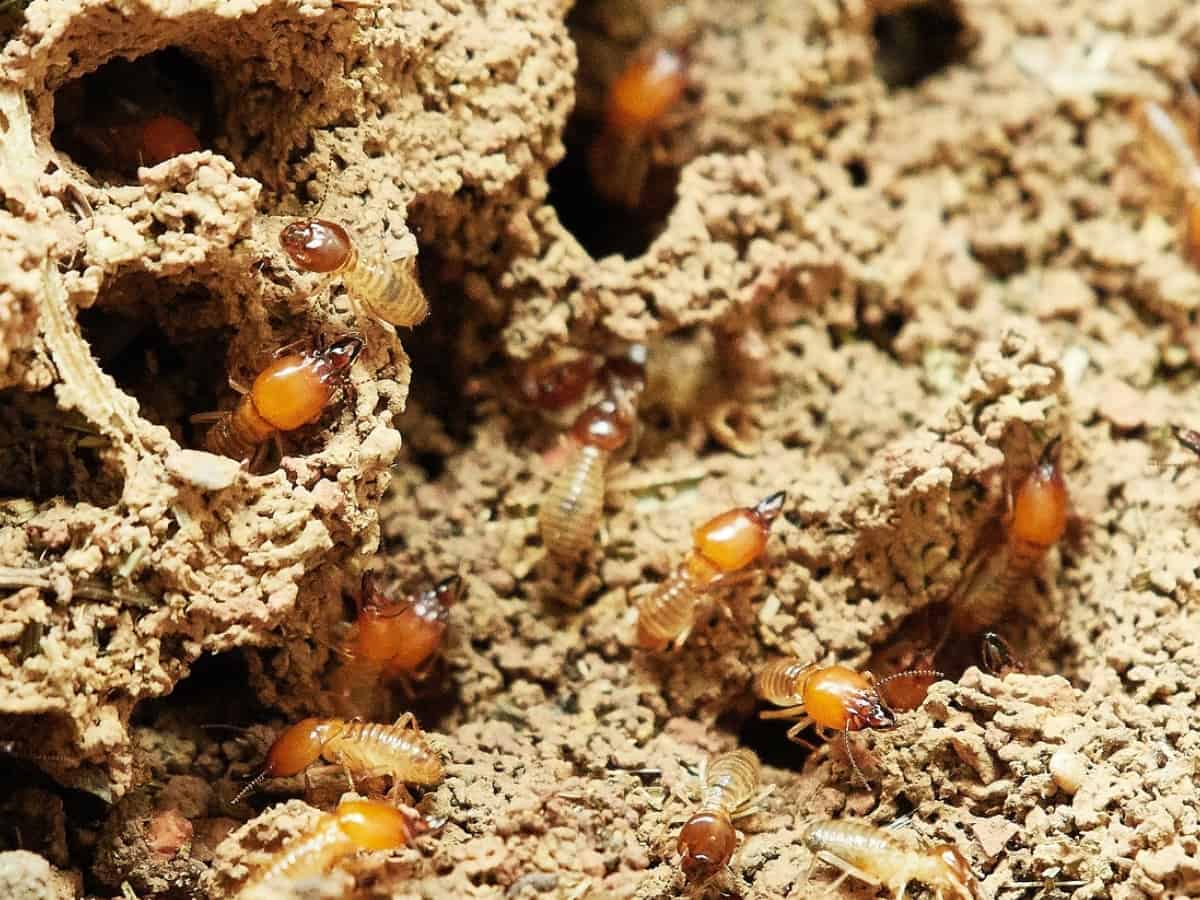
Termites are among the most concerning examples. These insects feed on wood and other cellulose-based materials, often working silently for extended periods before signs of damage become visible. By the time homeowners notice the problem, repairs can be costly.
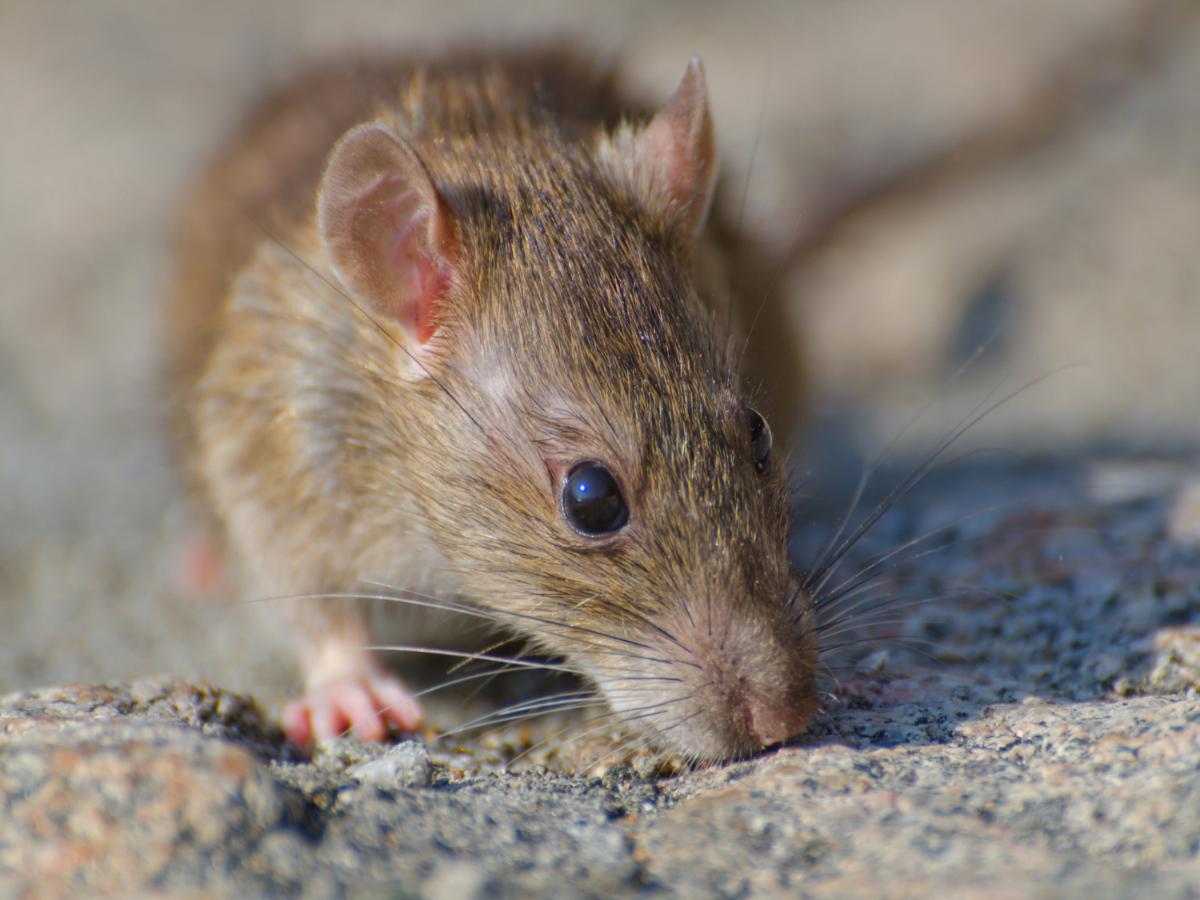
Rodents can also create serious issues by chewing through insulation, wiring, and building materials. In some cases, damaged electrical wiring may even increase fire risks.
Regular home pest management helps identify these threats early. Routine inspections and monitoring allow pest professionals to detect activity before major damage occurs, helping homeowners protect one of their most valuable investments.
Supporting a Healthier Living Environment
Pests can affect more than the structure of a home. Many species can also impact health and sanitation.
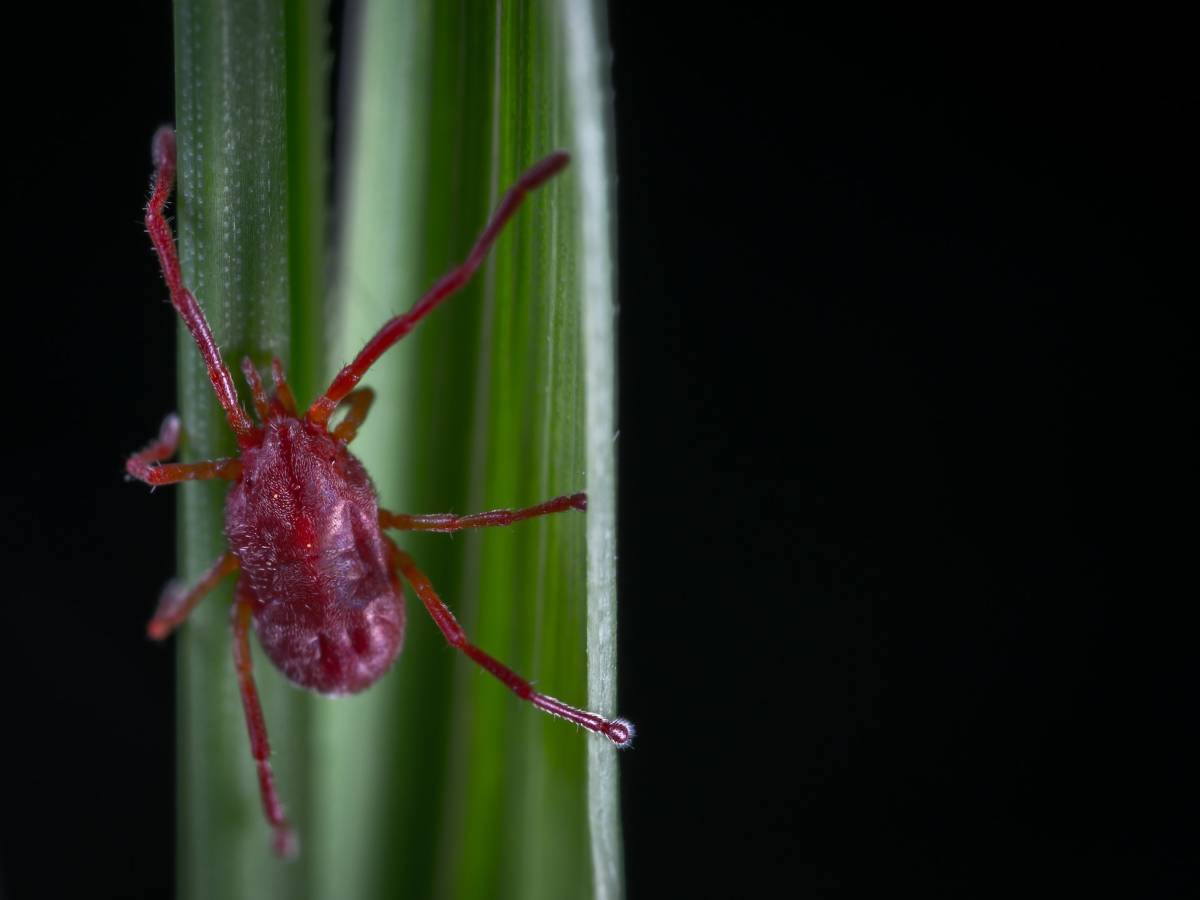
Rodents may contaminate food and surfaces with droppings and urine. Cockroaches have been linked to allergens that can worsen asthma symptoms and respiratory issues. Mosquitoes and ticks are known carriers of various diseases, while stinging insects can pose risks for individuals with allergies.
Effective home pest control helps reduce these concerns by limiting pest populations and addressing conditions that support their presence. Maintaining a pest-free environment contributes to cleaner living spaces and greater peace of mind for homeowners and their families.
The Value of Professional Exterminator Services
While do-it-yourself pest treatments may provide temporary relief, they often fail to address the root causes of recurring infestations. Many over-the-counter products target visible pests without identifying nesting areas, entry points, or environmental conditions that allow populations to thrive.
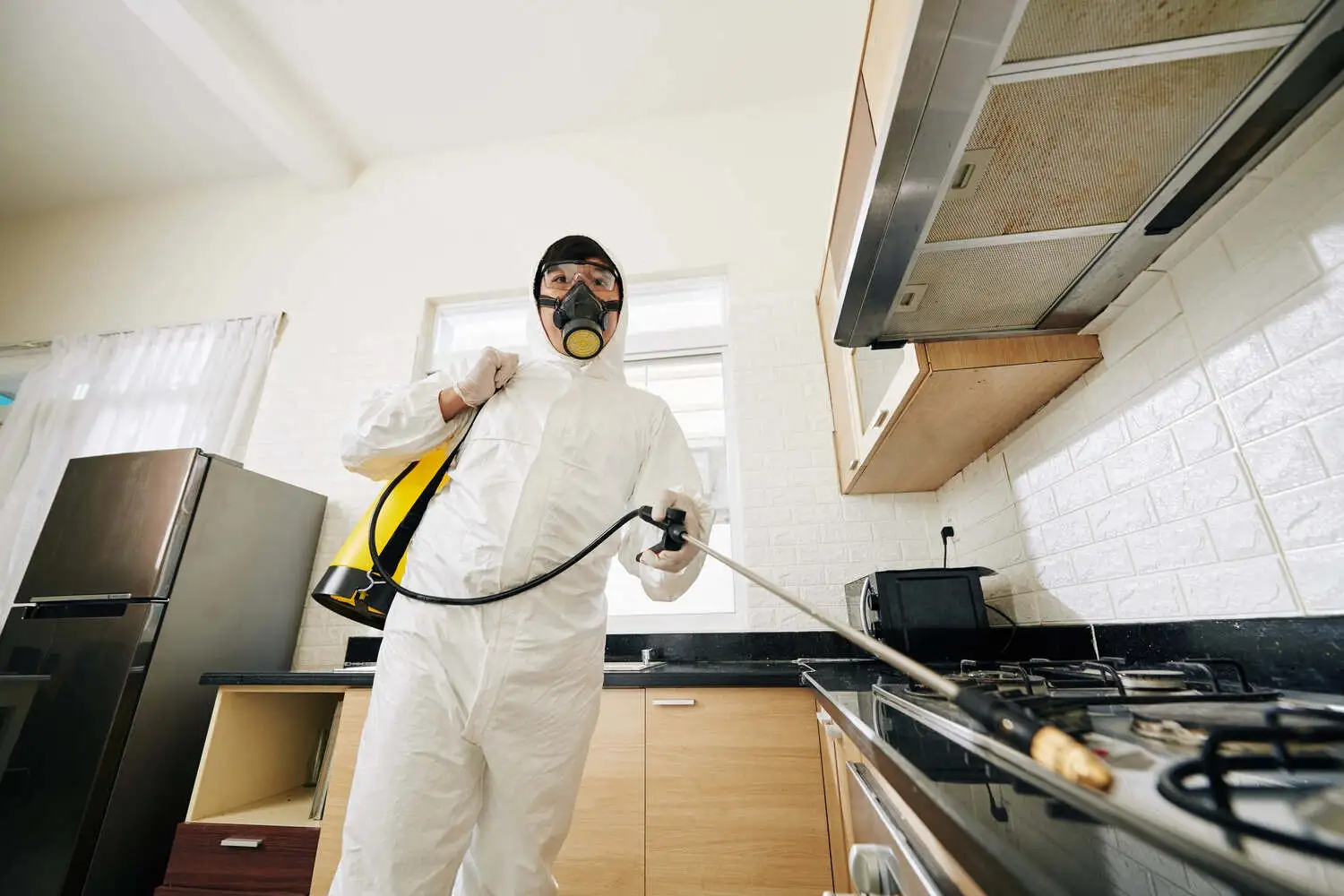
Professional exterminator services take a more comprehensive approach. Pest control specialists are trained to identify specific pest species, assess the severity of an issue, and recommend targeted treatment strategies. They can also provide guidance on preventative measures that help reduce future pest activity.
This combination of treatment and prevention often delivers more reliable long-term results than relying solely on DIY solutions.
Creating a Long-Term Pest Management Strategy
Effective pest control is not a one-time event. Successful home pest management typically involves ongoing monitoring and maintenance designed to address seasonal changes and emerging risks.
Routine inspections allow professionals to identify new concerns before they escalate. Scheduled treatments can help maintain protective barriers around the property, while regular evaluations ensure that prevention strategies remain effective over time.
Every homeowner faces unique pest challenges based on its location, age, surrounding environment, and construction. A customized pest management plan helps ensure that homeowners receive solutions tailored to their specific needs rather than relying on a generic approach.
Common Signs That You May Need Professional Pest Control
Not all pest infestations are immediately obvious. In many cases, pests remain hidden until the problem has become more serious. Being aware of the early warning signs can help homeowners take action before significant damage occurs.
Some common indicators include droppings, unusual odors, scratching sounds inside walls or ceilings, damaged food packaging, and visible insect trails around kitchens or bathrooms. Homeowners may also notice signs such as chewed wires, wood damage, nests, or an increase in pest sightings during certain times of the year. If these issues persist despite basic prevention efforts, professional residential pest control services can help identify the source of the problem and implement effective solutions before the infestation worsens.
Conclusion
Protecting a home from pests requires more than occasional treatments when problems become visible. Residential pest control provides a proactive approach that focuses on prevention, early detection, and long-term protection. By addressing seasonal pest pressures, reducing the risk of property damage, and supporting a healthier indoor environment, professional pest services help homeowners stay ahead of potential infestations. Whether the goal is pest prevention, year-round pest protection, or comprehensive home pest control, investing in a consistent pest management strategy can help safeguard your home and provide lasting peace of mind.