
Rodents are more than a nuisance. They can damage your property, contaminate food, and spread dangerous diseases. One of the most serious health concerns associated with rodents is hantavirus. Understanding the risks of hantavirus from rodents is an important step in protecting your family and home.
Mice and rats often enter homes seeking food, water, and shelter. Once inside, they can multiply quickly and create significant health and safety risks. Fortunately, with proper rodent infestation prevention measures and professional assistance, homeowners can reduce the likelihood of exposure and keep infestations under control.
Understanding Hantavirus and How It Spreads
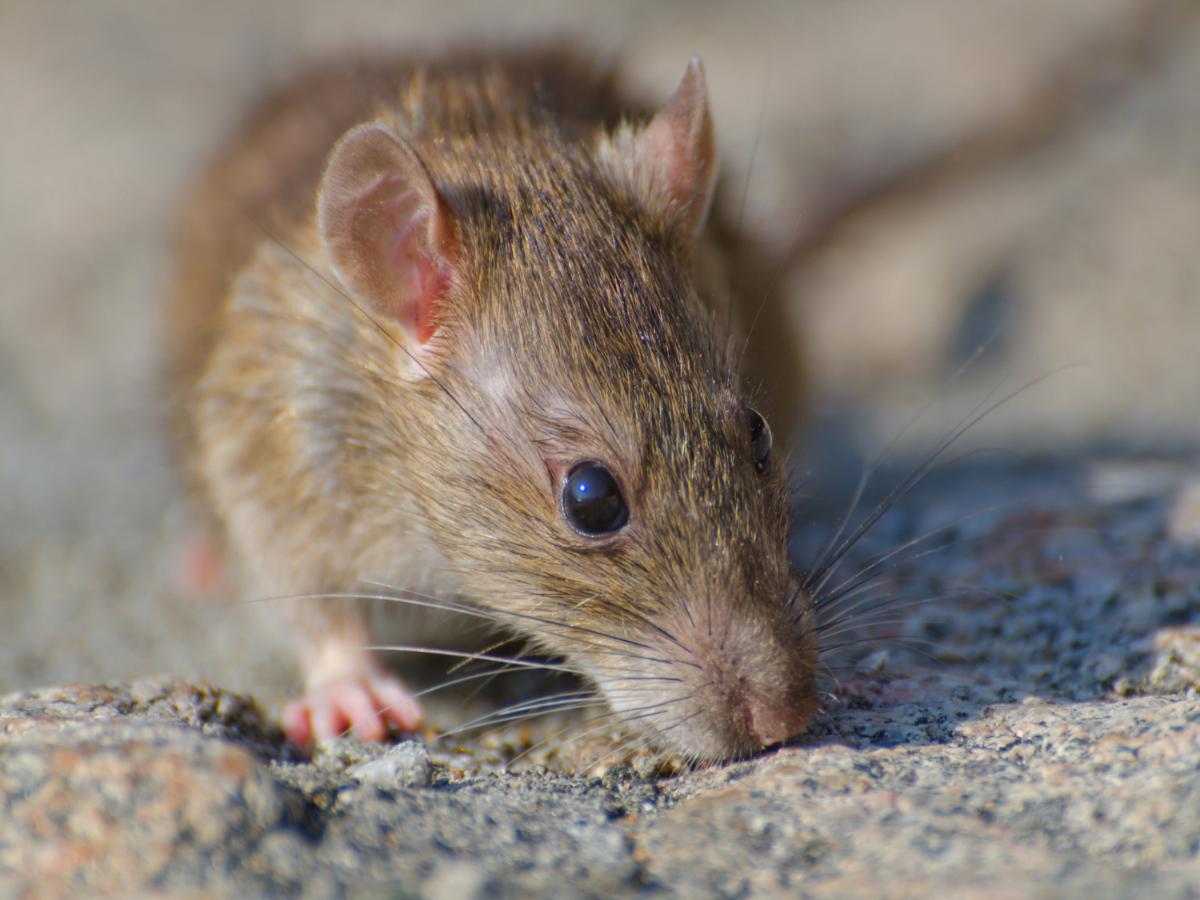
Hantavirus is a virus primarily carried by certain species of rodents. People can become infected when they come into contact with rodent urine, droppings, saliva, or contaminated nesting materials.
The virus is most commonly transmitted when contaminated particles become airborne and are inhaled during cleaning or disturbance of rodent-infested areas. Attics, basements, garages, crawl spaces, and storage rooms are common locations where exposure can occur.
Although hantavirus infections are relatively rare, they can cause severe respiratory illness and require immediate medical attention. This is why effective hantavirus prevention starts with keeping rodents out of your home.
Why Rodents Are a Serious Threat to Your Home?
Rodents can create multiple problems beyond disease transmission. According to Titan Pest Services, rodents are known for their destructive behavior and ability to contaminate living spaces. They frequently chew through materials and leave behind waste that spreads bacteria and germs.
Some of the risks associated with a rat infestation or mouse infestation include:
- Contaminated food and food preparation areas
- Damage to insulation and drywall
- Chewed electrical wiring that may increase fire risks
- Structural damage from gnawing and burrowing
- Unpleasant odors from droppings and nesting materials
- Increased exposure to diseases and allergens
Because rodents reproduce rapidly, a small problem can quickly become a major infestation if left untreated.
Common Signs of a Rodent Infestation
Early detection is essential for effective rodent control. Homeowners should watch for these warning signs:
1. Rodent Droppings
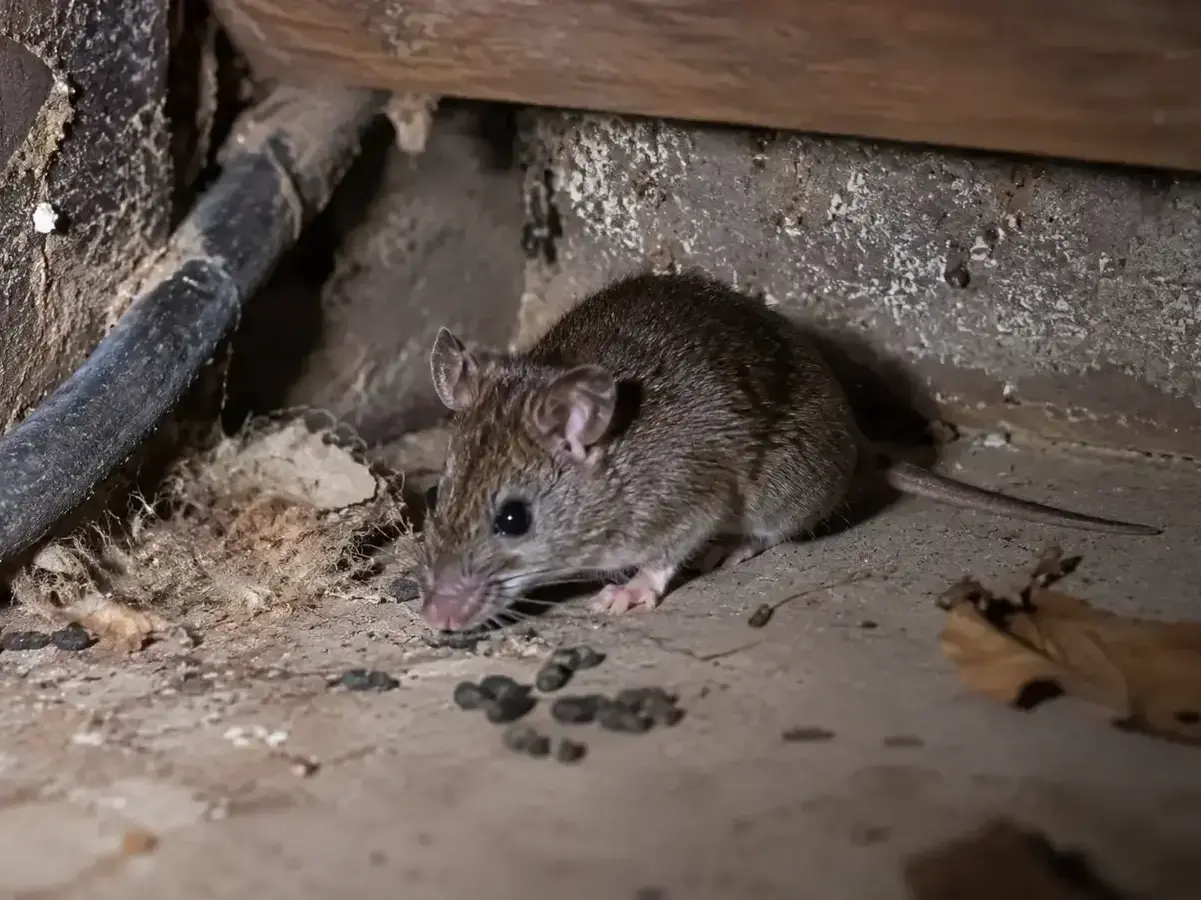
Droppings are often the first indication of rodent activity. They are commonly found near food sources, along walls, inside cabinets, and in storage areas.
2. Gnaw Marks
Rodents continuously chew to keep their teeth from overgrowing. You may notice damage to:
- Wood
- Plastic
- Cardboard
- Electrical wiring
- Insulation
3. Scratching Noises
Rodents are typically most active at night. Scratching, scurrying, or squeaking sounds in walls, ceilings, or attics may indicate an infestation.
4. Nests and Nesting Materials
Mice and rats often build nests using paper, fabric, insulation, and other soft materials. These nests are usually hidden in secluded locations.
5. Grease Marks and Tracks
As rodents travel along the same pathways repeatedly, they leave grease marks and smudges on walls and surfaces.
If you notice any of these signs, professional mouse control or rodent management may be necessary before the problem worsens.
Effective Rodent Infestation Prevention Strategies
The best defense against hantavirus is preventing rodents from entering your property in the first place. Here are several proven prevention methods.
1. Seal Entry Points
Rodents can squeeze through surprisingly small openings.
Inspect your home for:
- Cracks in foundations
- Gaps around doors and windows
- Openings around utility lines
- Damaged roof areas
- Uncovered vents
Seal any gaps larger than a quarter inch to reduce access points.
2. Eliminate Food Sources
Rodents are constantly searching for food.
To reduce attraction:
- Store food in sealed containers
- Clean up crumbs and spills promptly
- Secure pet food
- Keep garbage containers tightly closed
- Maintain clean kitchen areas
3. Reduce Outdoor Attractants
Your yard can provide shelter and food for rodents before they move indoors.
Helpful practices include:
- Trimming shrubs and trees away from structures
- Removing brush piles
- Keeping the grass maintained
- Securing compost bins
- Eliminating standing water
4. Reduce Indoor Clutter
Clutter creates ideal hiding and nesting locations.
Focus on organizing:
- Basements
- Attics
- Garages
- Storage rooms
- Closets
Reducing clutter makes it easier to spot signs of activity and discourages nesting.
5. Maintain Your Property Regularly
Routine inspections can help identify vulnerabilities before rodents exploit them.
Pay close attention to:
- Roofing materials
- Exterior walls
- Utility penetrations
- Crawl spaces
- Attics
Consistent maintenance supports long-term hantavirus prevention and rodent exclusion efforts.
Safe Cleanup Practices After Rodent Activity
One of the biggest mistakes homeowners make is cleaning rodent droppings incorrectly. Sweeping or vacuuming dry droppings can release contaminated particles into the air, increasing potential health risks.
Follow these safety guidelines:
1. Ventilate the Area
Open windows and doors for at least 30 minutes before beginning cleanup.
2. Wear Protective Equipment
Use disposable gloves and consider wearing a mask when handling contaminated materials.
3. Disinfect Before Cleaning
Spray droppings, urine stains, and nesting materials with a disinfectant solution. Allow the area to soak for several minutes before removal.
4. Avoid Sweeping or Vacuuming
Never use a broom or vacuum on dry rodent waste. This can spread particles throughout the air.
5. Use Disposable Materials
Remove waste with paper towels or disposable cleaning cloths and place everything in a sealed bag.
6. Wash Thoroughly
After cleanup, wash your hands carefully and disinfect any reusable tools.
If a large infestation is present, professional cleanup and rodent control services are often the safest option.
How Titan Pest Services Helps Protect Homes
Titan Pest Services provides professional rodent management solutions designed to eliminate active infestations and prevent future problems.
Their experienced technicians perform detailed inspections to locate rodent activity, identify entry points, and develop customized treatment plans based on the property’s unique needs.
Our rodent services include:
- Mouse control
- Rat control
- Rodent exclusion
- Monitoring programs
- Preventative treatments
By combining effective removal techniques with long-term prevention strategies, Titan Pest Services helps homeowners reduce the risks associated with rodents and maintain a healthier living environment.
Why Professional Mouse Control Matters?
Many homeowners attempt do-it-yourself solutions when they first notice rodent activity. While traps may catch a few rodents, they often fail to address the root cause of the infestation.
Professional mouse control and rodent control services offer:
- Accurate identification of infestation sources
- Safe and effective treatment methods
- Comprehensive exclusion strategies
- Long-term prevention plans
- Reduced health risks
A professional approach is often the fastest and most reliable way to eliminate rodents and reduce exposure to hantavirus-related hazards.
Protect Your Home from Rodents and Hantavirus
Understanding hantavirus risks from rodents is important for protecting your family’s health and your home. Preventing rodent infestations can greatly reduce these risks.
If you need professional mouse control, rat control, or long-term rodent control solutions, Titan Pest Services offers expert services to help keep your property protected year-round.
FAQs
Can hantavirus spread through mouse droppings?
Yes. Hantavirus can spread through contact with infected rodent droppings, urine, or saliva. Exposure often occurs when contaminated particles become airborne.
How can I reduce hantavirus risks from rodents?
The best approach is to prevent rodents from entering your property. Seal entry points, eliminate food sources, maintain a clean environment, and seek professional rodent control if activity is detected.
What are the first signs of a rodent infestation?
Common signs include droppings, scratching sounds, gnaw marks, grease trails, and nesting materials in hidden areas of the home.
Is it safe to vacuum rodent droppings?
No. Vacuuming or sweeping dry rodent droppings can release contaminated particles into the air. Always disinfect droppings before carefully removing them.