
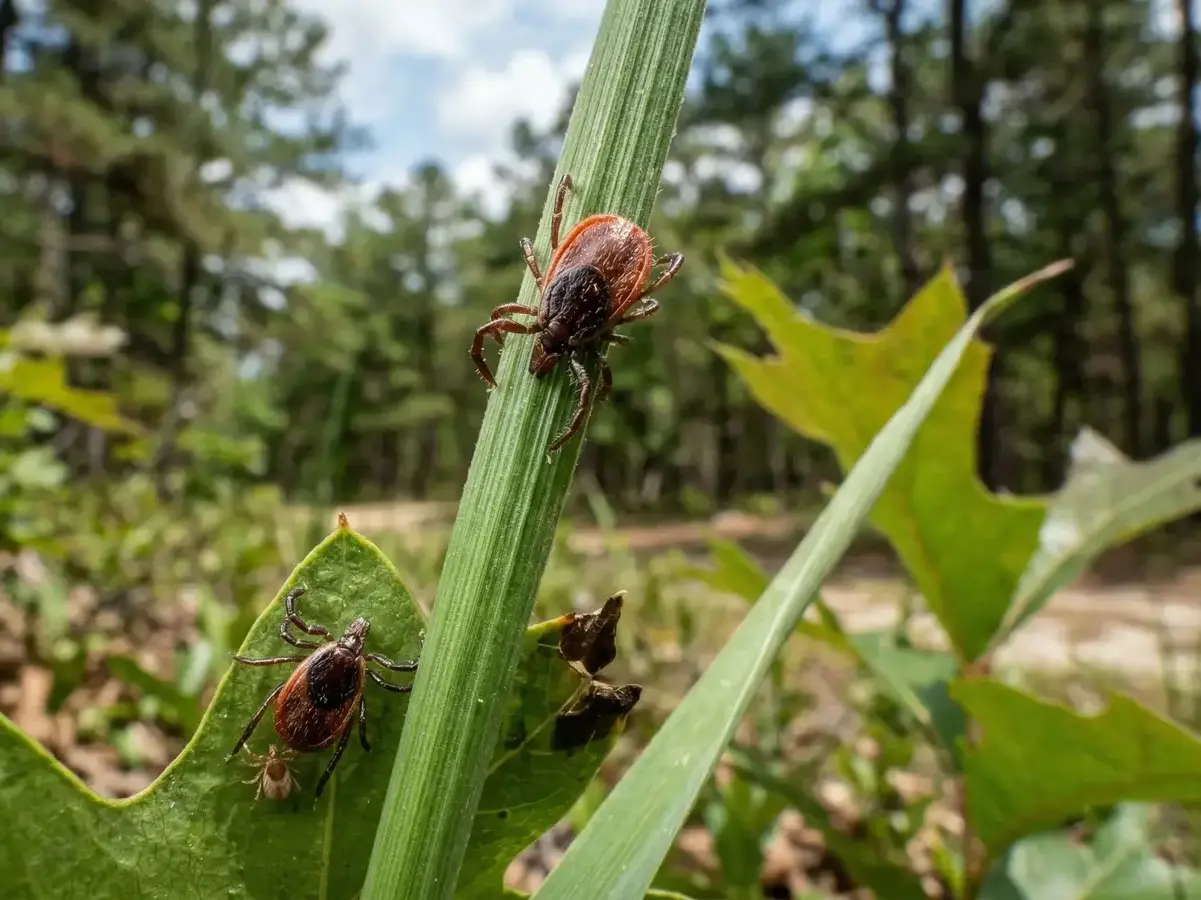
Ticks in New Jersey are more than just a seasonal nuisance. They pose real health risks to families, pets, and outdoor spaces. As warmer months arrive, tick activity increases, making prevention and control essential for homeowners across the state.
Whether you’re enjoying your backyard or taking your dog for a walk, understanding how to manage ticks in New Jersey can help keep everyone safe. In this guide, we’ll cover practical prevention tips and explain how professional services like Titan Pest Services can help protect your property.
Understanding Tick Season in New Jersey
Tick activity in New Jersey follows a seasonal pattern, but it’s important to know that ticks are not limited to just one time of year. While many homeowners associate ticks with summer, they can become active as soon as temperatures rise above freezing and remain a threat well into the fall-and even during mild winter days.
1. When is tick season in New Jersey?
- Early Spring (March-May): Tick activity begins to increase as temperatures warm up. Nymph ticks, which are very small and hard to detect, become especially active during this time.
- Summer (June-August): This is peak season for ticks in New Jersey. People and pets spend more time outdoors, increasing the chances of exposure. Nymphs and adult ticks are both active.
- Fall (September-November): Adult ticks remain active and continue to seek hosts before winter. Many people underestimate the risk during this season.
- Winter (December-February): Tick activity slows down but does not completely stop. On warmer days, ticks can still be active and pose a risk.
2. Why are tick populations high in New Jersey?
New Jersey provides the perfect environment for ticks to thrive due to:
- A humid climate that supports tick survival
- Dense vegetation in suburban and rural areas
- High deer populations, which are primary hosts for adult ticks
- Abundant small animals like mice and chipmunks that carry immature ticks
These factors make tick prevention in NJ especially important for homeowners.
3. What are the most common ticks in New Jersey?
Understanding the types of ticks in your area can help you better protect your family:
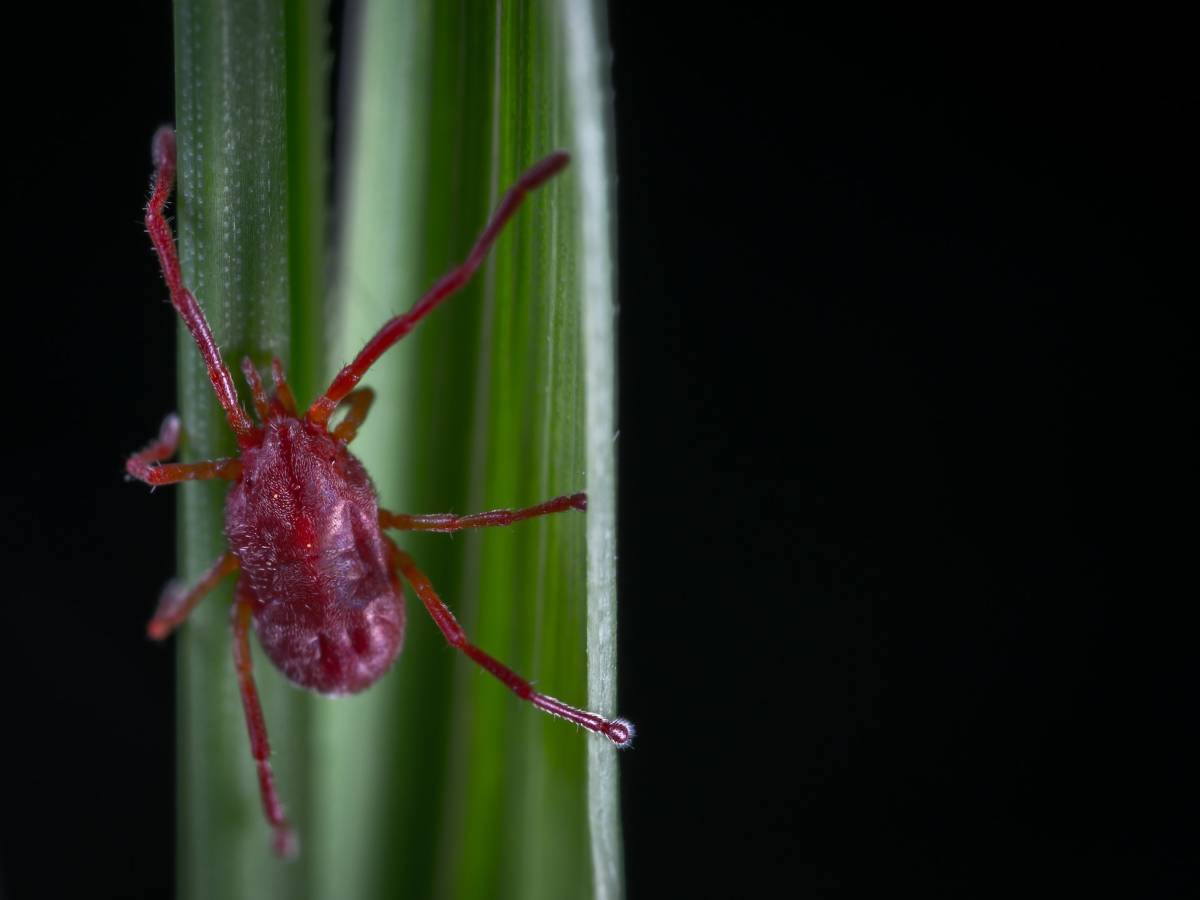
- Blacklegged tick (deer tick): Known for spreading Lyme disease
- American dog tick: Common in grassy areas and can transmit other illnesses
- Lone star tick: Aggressive and increasingly found across the state
Each species has slightly different behaviors, but all pose risks and require proper control measures.
4. Why timing matters for tick control?
The effectiveness of tick control treatments depends heavily on timing. Targeting ticks during their most active life stages (especially in spring and early summer) can significantly reduce their population throughout the year. This is why many homeowners choose professional tick control for yards in New Jersey, ensuring treatments are applied at the right time for maximum impact.
Signs You May Have a Tick Problem
Ticks are small, but their presence can quickly become a serious issue if left unchecked. Recognizing the early signs of a tick infestation can help you take action before the problem worsens.
Common indicators of tick activity:
- Ticks found on clothing or skin: If you or your family members frequently find ticks after spending time outdoors, it’s a strong sign they are present in your yard.
- Pets bringing ticks indoors: Dogs and cats are common carriers. If you notice ticks on your pets, especially after being outside, your property may already be infested.
- Excessive scratching in pets: Pets that are constantly itching or biting at their skin may be reacting to tick bites.
- Visible ticks in outdoor areas: Spotting ticks crawling on patios, decks, or walkways is a clear indication of a larger population nearby.
- High wildlife activity: Deer, mice, and other animals often carry ticks. If your yard attracts wildlife, it increases the likelihood of tick infestations.
- Overgrown or damp landscaping: Ticks thrive in shaded, moist environments. Yards with tall grass, dense shrubs, or leaf piles create ideal conditions for them to multiply.
Catching these signs early can make tick control for yards in New Jersey much more effective and prevent the issue from spreading.
New Jersey Tick Season Tips for Homeowners
Taking proactive steps can significantly reduce tick populations around your home.
Maintain Your Yard
- Keep grass trimmed short
- Remove leaf litter regularly
- Trim shrubs and bushes
- Create a barrier of wood chips or gravel between the lawn and wooded areas
Reduce Wildlife Activity
- Install fencing to deter deer
- Secure trash bins
- Remove bird feeders if attracting rodents
Create Tick-Free Zones
- Keep play areas and patios away from wooded edges
- Use outdoor furniture on hard surfaces
- Avoid placing seating near tall grass
These New Jersey tick season tips can help minimize your exposure and create a safer outdoor environment.
How to Protect Pets from Ticks in New Jersey?
Pets are especially vulnerable to ticks because they spend more time outdoors. Protecting them is crucial for their health-and yours.
Pet protection strategies:
- Use veterinarian-approved tick preventatives
- Check your pets after every walk
- Keep pet bedding clean
- Avoid walking pets in high-risk areas
Ticks can easily transfer from pets to humans, so consistent prevention is key to keeping your household safe.
Professional Tick Control for Yards in New Jersey
Titan Pest Services offers targeted treatments designed to eliminate ticks and prevent their return. Their approach focuses on both immediate results and long-term protection.
What to expect from professional services:
- Thorough property inspection
- Customized treatment plan
- Safe and effective application
- Ongoing monitoring and maintenance
Benefits of choosing Titan Pest Services:
- Expertise in local tick species
- Family- and pet-conscious solutions
- Reliable seasonal protection
Professional tick control for yards in New Jersey ensures your outdoor spaces remain safe throughout the season.
When to Call a Professional?
You should consider professional help if:
- You find ticks regularly on people or pets
- DIY treatments aren’t working
- Your property borders wooded or high-risk areas
- You want long-term protection
Titan Pest Services can assess your situation and provide a tailored solution to keep ticks under control.
Protect Your Home and Enjoy a Tick-Free Season
Ticks in New Jersey are a serious concern, especially during peak seasons. From protecting your pets to maintaining your yard, there are many steps you can take to reduce your risk.
However, for complete peace of mind, professional services like Titan Pest Services offer the most effective and reliable solution. With the right combination of prevention and expert care, you can enjoy your outdoor spaces without worry.
FAQs
How long is tick season in New Jersey?
Tick season typically runs from spring through fall, but ticks can remain active year-round during mild weather conditions.
What is the best way to protect pets from ticks in NJ?
Use veterinarian-recommended preventatives, check pets regularly, and avoid high-risk areas like tall grass and wooded trails.
How effective is professional tick control for yards in New Jersey?
Professional treatments are highly effective because they target ticks at all life stages and provide longer-lasting protection compared to DIY methods.
What factors affect the cost of tick control services?
Costs can vary based on property size, level of infestation, frequency of treatments, and the specific methods used.
Can ticks survive in short grass?
Ticks prefer tall grass and shaded areas, but they can still be present in short grass, especially if nearby conditions are favorable.
How often should I treat my yard for ticks?
Treatment frequency depends on infestation levels and environmental conditions, but seasonal or recurring services are typically recommended for best results.